All-in-One vs Modular AGV Drive Wheels: Integration Trade-offs
Evaluating one-piece integrated modules versus modular sourcing for speed, reliability, and lifecycle control.
The "all-in-one vs modular" decision is usually made too early, based on BOM price only. In real AGV/AMR programs, the better architecture is the one that keeps pilot timing, field stability, and post-sale maintenance under control.
This article gives a practical way to decide based on engineering workload and lifecycle risk, not just unit price.
Executive Comparison Matrix
| Dimension | All-in-One Module | Modular Architecture |
|---|---|---|
| Integration speed | Fast: fewer interfaces to validate | Slower: more interface combinations |
| Initial BOM flexibility | Lower | Higher |
| Commissioning risk | Lower when supplier capability is strong | Higher unless in-house integration is mature |
| Root-cause ownership | Clear single owner | Often split across multiple vendors |
| Spare strategy | Module-level replacement | Part-level replacement possible |
| Best fit | New platform, short launch window | Existing platform, strong internal engineering team |
The Hidden Cost Buyers Miss
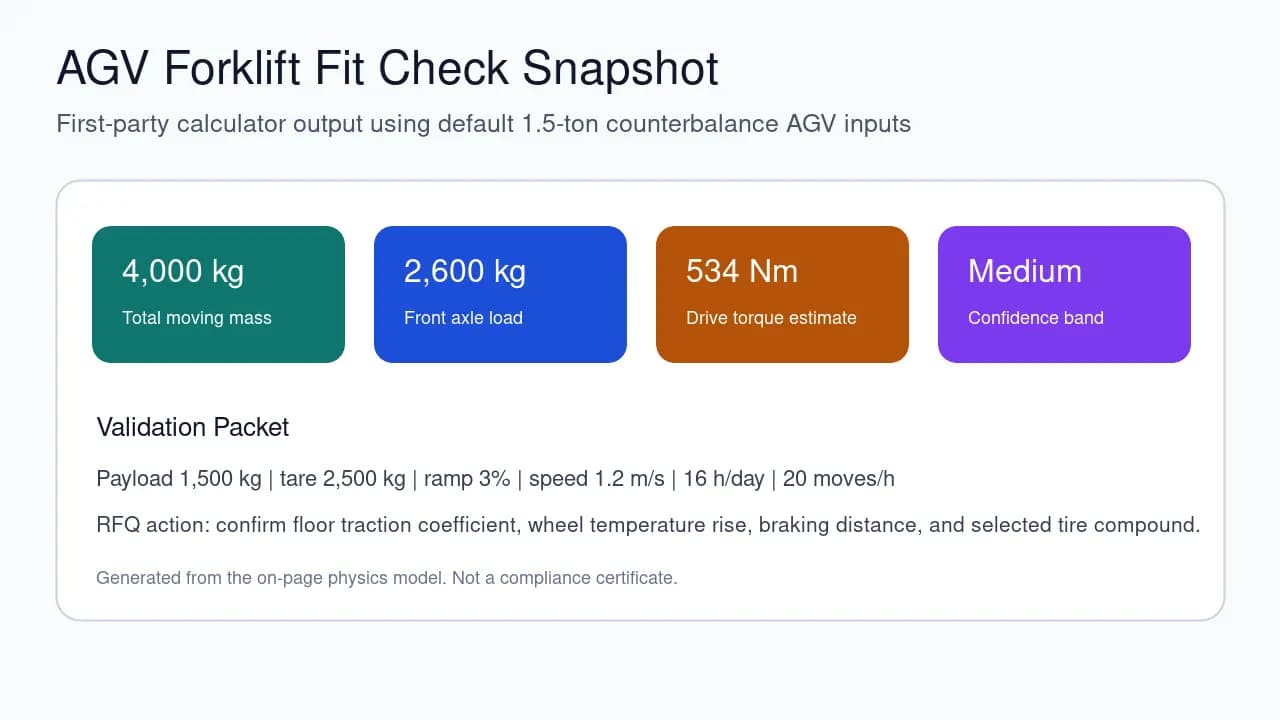
Most RFQs compare only module unit price. The true program cost should include:
- Interface validation labor.
- Rework during pilot tuning.
- Downtime cost in first fleet year.
- Warranty handling overhead.
A simple evaluation model for sourcing review:
Total Program Cost = BOM + Integration Labor + Pilot Rework + Field Service + Downtime RiskIn many projects, modular appears cheaper on paper but becomes more expensive after pilot rework and field troubleshooting.
Interface Count Is a Risk Multiplier
A practical proxy is "interface count" per vehicle:
Risk Exposure ~ Mechanical Interfaces + Electrical Interfaces + Control InterfacesTypical example:
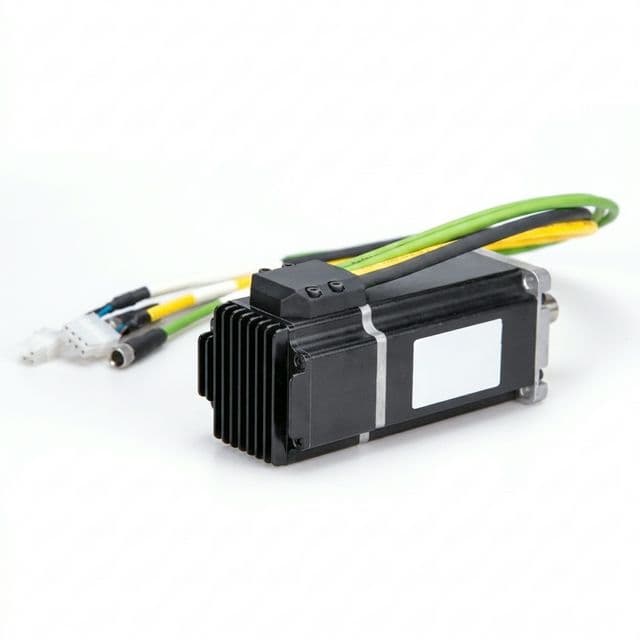
- All-in-one: 1 mounting interface + 1 power/signal interface.
- Modular: motor-to-gearbox, gearbox-to-wheel, encoder-to-controller, harness adapters, plus separate tolerancing and sealing validation.
When interface count increases, alignment, backlash, and EMI compatibility issues usually increase non-linearly.
When All-in-One Is Usually Better
Choose all-in-one when these conditions are true:
- You need pilot vehicles running quickly for customer acceptance.
- You do not want multi-vendor blame loops in failure analysis.
- Your team is constrained on drivetrain integration resources.
- You need consistent performance across batches and factories.
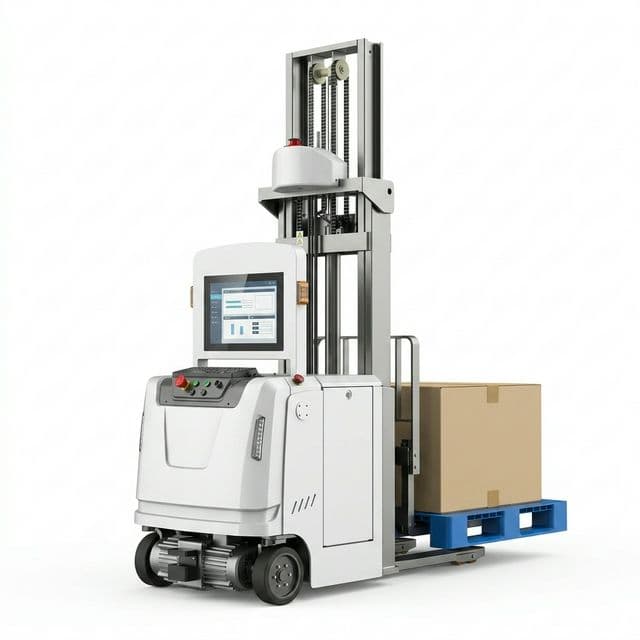
For heavy-duty AGV wheels, all-in-one can also reduce mismatch risk between torque target, reducer ratio, and wheel material.
When Modular Can Win
Choose modular when these conditions are true:
- You already own a validated motor or controller platform.
- Your engineering team can run full system integration and reliability testing.
- You have contractual reasons to keep preferred subsystem suppliers.
- You optimize for long-term flexibility across many vehicle variants.
Modular is not "wrong." It simply requires disciplined interface control and stronger in-house validation capability.
Program-Stage Decision Rule
| Stage | Recommended Bias | Why |
|---|---|---|
| Prototype (0-10 units) | All-in-one | Fast learning, lower integration friction |
| Pilot (10-200 units) | Depends on team maturity | Validate service model and consistency |
| SOP (200+ units/year) | Data-driven mix | Optimize total lifecycle cost, not first quote |
If your SOP plan spans multiple payload classes, it may be reasonable to use both paths: all-in-one for high-risk high-load platforms, modular for mature low-variance platforms.
RFQ Questions That Expose Real Capability
Before awarding business, ask suppliers these exact questions:
- Which tests are done at module level before shipment?
- What tolerance stack-up controls exist across motor, reducer, and wheel?
- How is traceability managed for critical parts?
- What are typical failure modes from prior projects and corrective actions?
- How are replacement and warranty workflows handled in the destination market?
If answers are generic or non-quantified, expect execution risk.
Minimum Data Package You Should Provide
To receive a technical quote with fewer revision loops, share:
- Payload and dynamic load profile.
- Target speed, ramp, and duty cycle.
- Installation envelope and mounting constraints.
- Battery voltage and controller interface notes.
- Annual volume, pilot timeline, and destination region.
A complete input package shortens RFQ cycles and improves first-pass design fit.
Bottom Line
The best architecture is the one that keeps your launch schedule and field reliability predictable.
- If time-to-deployment and accountability are priorities, all-in-one is usually safer.
- If your team is strong in integration and you need subsystem flexibility, modular can be efficient.
For platform-level trade-off review, send your chassis constraints and annual volume target to [email protected]. Jimmy Su will coordinate a manual engineering response.