Mecanum Wheel vs Omni Wheel for AGV/AMR Platforms
A practical comparison of maneuverability, load behavior, and integration complexity for procurement and engineering teams.
Mecanum and omni wheels are both marketed as "omnidirectional," but they behave very differently in load transfer, floor interaction, and maintenance demand.
If you are selecting wheels for a production AGV/AMR platform, the correct choice depends less on marketing labels and more on route condition, payload variability, and control maturity.
Quick Decision Matrix
| Criteria | Mecanum Wheel | Omni Wheel |
|---|---|---|
| Lateral motion precision | Strong | Moderate |
| Payload tolerance | Higher in comparable envelope | Lower in comparable envelope |
| Drive efficiency | Lower (more slip losses) | Generally higher in simple moves |
| Control complexity | Higher | Lower |
| Floor sensitivity | High | Medium |
| Typical use case | Precision maneuvering in constrained layout | Light-to-medium load mobility with lower system complexity |
Kinematic Difference That Matters in Practice
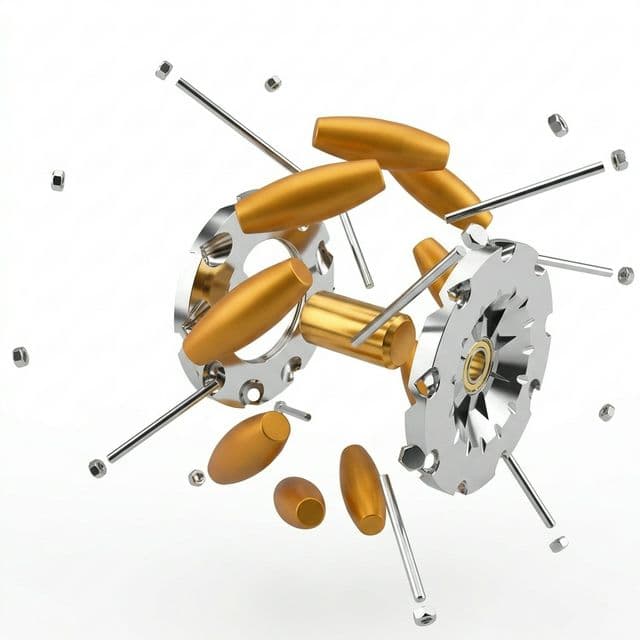
- Mecanum rollers are angled, generating force components in both longitudinal and lateral directions.
- Omni rollers primarily reduce lateral resistance but usually do not provide the same controllable lateral force envelope as mecanum arrangements.
In short: mecanum gives more motion freedom, but you pay with efficiency and tuning complexity.
Where Mecanum Is Usually Justified
Mecanum is typically the better fit when:
- Aisle constraints require frequent side-shift positioning.
- Docking tolerance is tight and repeated many times per shift.
- Path planning includes complex orientation changes in limited footprint.
- The team can support robust control calibration and field tuning.
Without those constraints, mecanum can become an unnecessary cost and maintenance burden.
Where Omni Is Usually Better
Omni wheels are often better when:
- Payload class is light to medium.
- You need directional flexibility but not constant high-precision lateral moves.
- Fleet rollout speed and maintenance simplicity are higher priorities.
- You want lower controller and commissioning complexity.
Many warehouse AMR projects over-spec mecanum and later discover that omni architecture meets KPI with lower TCO.
Floor and Payload Effects Buyers Underestimate
Floor condition
Both wheel types are sensitive to uneven floors, but mecanum usually amplifies vibration and control instability when roller contact consistency drops.
Payload center shift
If center of gravity moves with load state, motion smoothness can degrade rapidly. This is especially critical for lifting platforms, tugger variants, and mixed payload lanes.
Debris contamination
Roller contamination changes friction behavior. Maintenance strategy must account for debris cleaning and roller inspection intervals.
Validation Plan Before PO Release
Run this minimum test set before locking architecture:
- Trajectory repeatability test : Straight, diagonal, and lateral motions with empty and full load.
- Docking repeatability test : 100+ cycles in real floor condition.
- Thermal and current trend test : Multi-shift operation at peak duty profile.
- Vibration and noise trend : Compare against internal acceptance baseline.
- Serviceability drill : Time required for wheel replacement and re-calibration.
Failure Modes and Early Warning Signals
| Symptom | Likely Cause | Immediate Action |
|---|---|---|
| Lateral drift increases | Calibration mismatch, roller wear | Re-calibrate and inspect rollers |
| Higher vibration in turns | Uneven floor, roller damage, mounting play | Check floor segments and mounting torque |
| Motor current spikes in side moves | Excessive friction or overload | Re-check payload model and wheel condition |
| Docking error rises over time | Wheel wear plus control drift | Add periodic recalibration gate |
Procurement Checklist for RFQ
Before requesting quotes, prepare:
- Vehicle mass range (empty and full load).
- Required minimum turning envelope.
- Floor condition map (flatness, joints, contamination).
- Daily duty cycle and shift structure.
- Accuracy target for docking or workstation alignment.
A clear RFQ input improves comparison quality between wheel architectures and avoids post-pilot surprises.
Bottom Line
- Choose mecanum when mobility freedom and positioning precision directly drive business value.
- Choose omni when simpler architecture can meet movement KPI with lower lifecycle overhead.
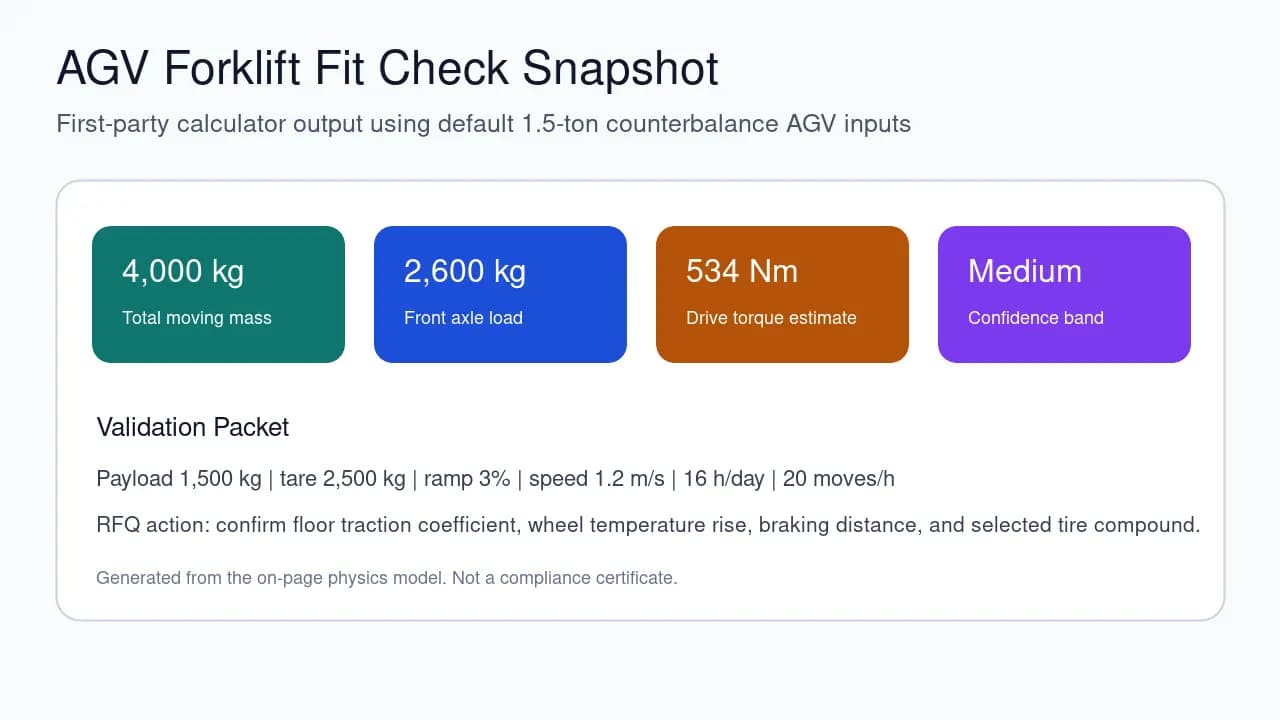
If you are evaluating a 4-inch class option, use the 101.6mm omnidirectional wheel fit checker to run a quick pre-screen before RFQ. For smaller-class sourcing language, the same canonical URL also covers 3.25 omnidirectional wheels intent.
For project-specific recommendations, send your use case and duty cycle to [email protected].