Safety Wheel Drives (SWD) Explained: Redefining AMR Engineering & ISO 3691-4 Compliance
How Safety Wheel Drives (SWD) eliminate external safety PLCs, reduce BOM complexity, and simplify ISO 3691-4 compliance for AMRs through integrated STO, SBC, and SLS.
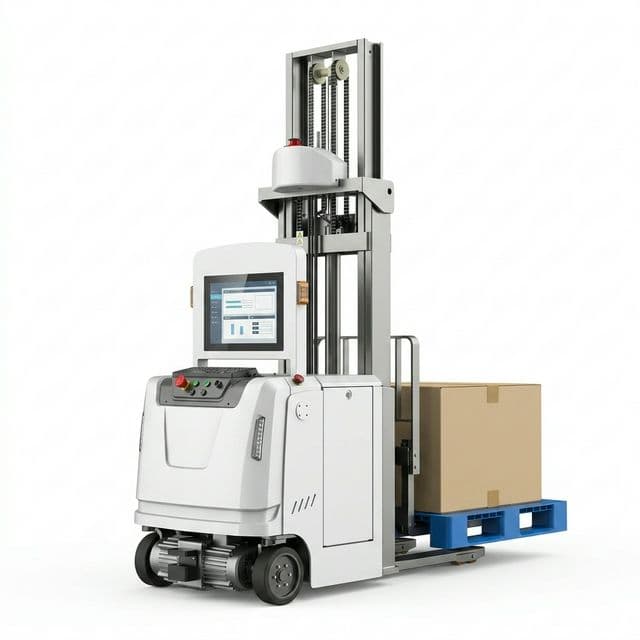
The design of Autonomous Mobile Robots (AMRs) in 2026 is defined by a fierce tug-of-war: the market demands smaller, lower-profile vehicles, while international standards like ISO 3691-4 demand increasingly complex, fail-safe architectures.
To resolve this conflict, the industry is rapidly adopting a new paradigm: the Safety Wheel Drive (SWD). By integrating the motor, gearbox, encoder, and SIL2/PLd safety electronics into a single wheel hub, SWDs are fundamentally changing how engineers approach AMR chassis design.
1) Anatomy of an SWD: The ROI of BOM Reduction
Traditional safety architectures require a fragmented, space-consuming Bill of Materials (BOM). An SWD consolidates this into a single, pre-certified node.
The Traditional Drive Architecture:
- Drive Motor & Gearbox
- External Servo Controller
- Dedicated Safety PLC (e.g., SICK, Pilz)
- External Safety Contactors/Relays
- Complex wiring harnesses connecting encoders, brakes, and PLCs
The SWD Architecture:
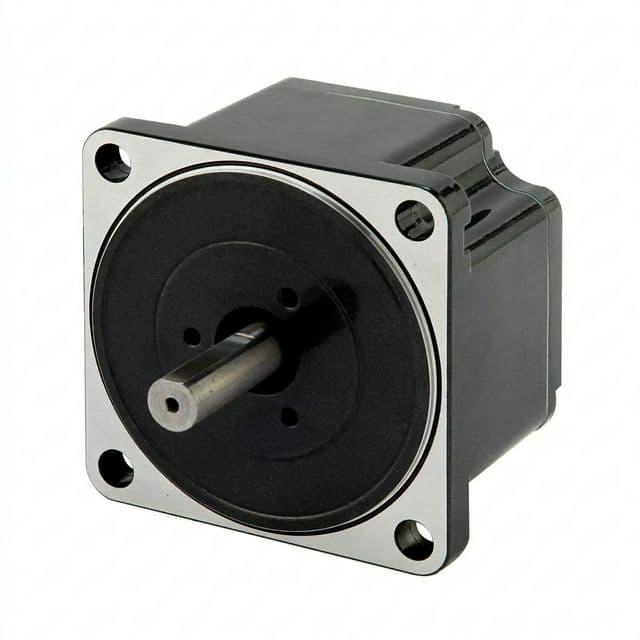
- All-in-One Safety Wheel Drive (Motor + Gearbox + Encoder + Safety Electronics + Brake)
- Main Vehicle Controller
- Connection: A single safety bus cable (e.g., CANopen Safety, FSoE)
The Engineering ROI: This consolidation eliminates up to 50% of the drive-related electrical components. Fewer components mean fewer failure points, significantly reduced wiring time, and massive space savings inside the chassis—freeing up real estate for larger batteries or specialized lifting modules.
2) Demystifying Wheel-Level Safety Functions
When safety is moved to the edge (the wheel itself), latency drops and reliability increases. Here is how standard safety acronyms translate to physical wheel behavior:
- STO (Safe Torque Off): This is not simply cutting main power. STO safely cuts the pulse-width modulation (PWM) signals generating torque in the motor. If the software crashes or a safety scanner detects an imminent collision, STO ensures the wheel physically cannot generate propulsive force, preventing unexpected runaways.
- SBC (Safe Brake Control): An AMR must have a fail-safe mechanical brake. SBC provides a safe, dual-channel electrical output to engage the mechanical holding brake the moment STO is triggered or power is lost.
- SLS (Safe Limited Speed): Instead of halting the AMR completely when a human enters the warning zone, SLS hardware enforces a strict maximum speed limit (e.g., 0.3 m/s) at the wheel level. This prevents the motor from exceeding the limit even if the main navigation controller commands it to, keeping factory throughput high without sacrificing safety.
3) The Hidden Physics: Thermal Management & Material Science
Packaging a high-torque motor, a gearbox, safety electronics, and a friction brake inside a sealed wheel hub creates a massive engineering challenge: Heat.
This is where the difference between a generic drive wheel and a true industrial-grade SWD becomes apparent.
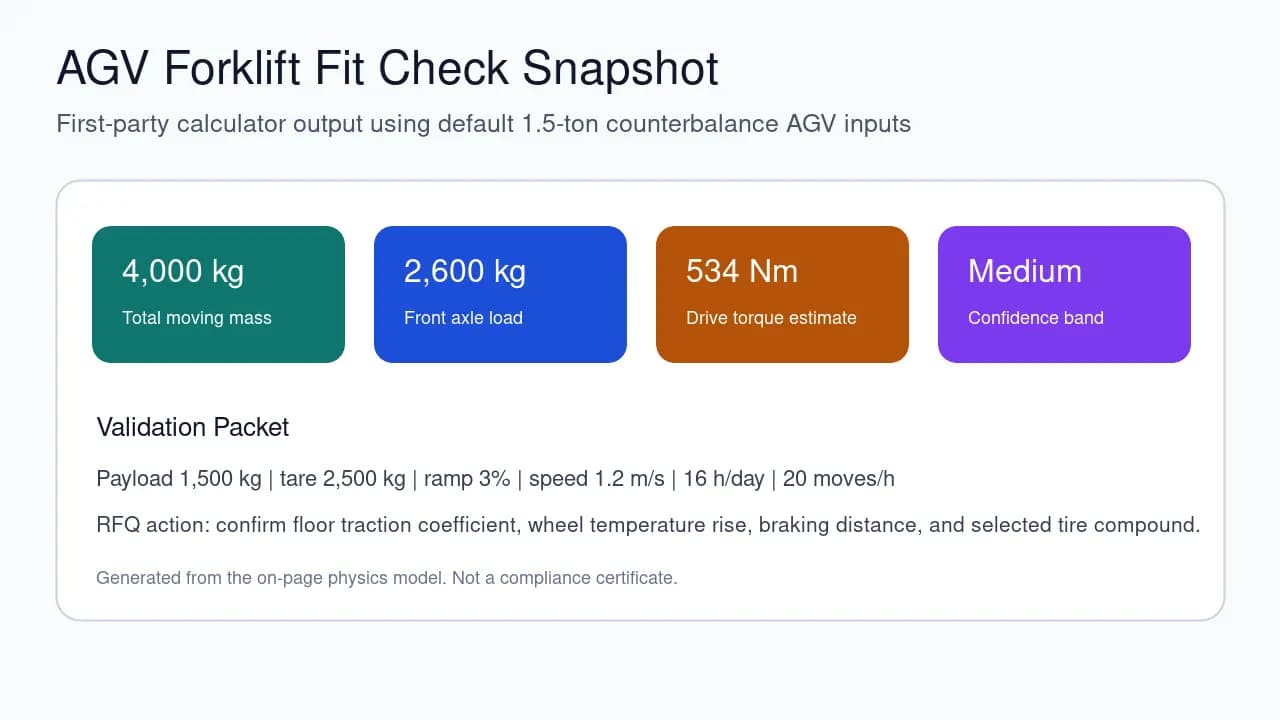
When an AMR weighing 1,500 kg triggers an emergency SBC (Safe Brake Control), the kinetic energy is converted into heat at the wheel. If the wheel tread (the tire) uses cheap rubber or standard polyurethane, the sudden spike in temperature alters the material's coefficient of friction ($C_f$).
The Danger of Brake Fade: A dropping friction coefficient means the wheel slips across the epoxy floor rather than gripping it. Even if your electronics react in 10 milliseconds, your physical braking distance will dangerously increase, causing the AMR to fail its ISO 3691-4 field validation.
The Solution: High-end SWDs pair their electronics with premium elastomers like Vulkollan®. These high-grade polyurethanes maintain a stable friction coefficient under extreme thermal stress and high-frequency emergency stops, ensuring predictable braking distances.
4) Braking Distance Physics & ISO 3691-4
To properly map your AMR's safety zones (warning and stop fields on the laser scanner), you must calculate the total stopping distance (S_total). SWDs help minimize the first two variables:
S_total = S_scanner + S_electrical + S_mechanical + S_slipS_scanner: Time for the LiDAR to detect the obstacle (typical 30-50ms).S_electrical: Time for the safety signal to trigger STO/SBC. SWDs excel here, processing the command locally at the wheel in less than 10ms.S_mechanical: Time for the brake pads to physically engage.S_slip: The physical distance the robot sliding based on floor friction and vehicle mass.
Because SWDs reduce the electrical and mechanical response times to their absolute minimums, engineers can draw tighter safety zones around the AMR, allowing it to navigate narrower aisles at higher speeds.
5) Engineering Selection Checklist
Before approving an SWD for your next AMR pilot, ensure you check these boxes:
- Certification: Is the drive unit independently certified (e.g., TÜV) for SIL2/PLd or higher?
- Thermal Rating: Ask for the continuous torque rating at the maximum expected ambient temperature (e.g., 40°C), not just the bench rating.
- Protocol Compatibility: Does the drive natively support your chosen safety bus (FSoE, PROFIsafe, CANopen Safety)?
- Tread Material: Does the manufacturer specify high-grade polyurethane (NDI-based) to guarantee stopping distances during SBC events?
- Radial Load Capacity: Verify the mechanical bearings can support the dynamic load shifting during emergency stops.
Expert Consultation
Safety Wheel Drives are transforming AMR architecture from complex, highly-wired assemblies into sleek, modular platforms. However, selecting the right torque, gear ratio, and tread material for your specific payload requires precise calculation.
Are you designing a next-generation AMR and need to comply with ISO 3691-4? Send your payload, target speed, and floor conditions to [email protected]. Our engineering team will support you with torque calculations, sizing recommendations, and 3D CAD models for integrated drive wheel solutions.